Nationwide
Senior Fitness & Exercise
Vivo
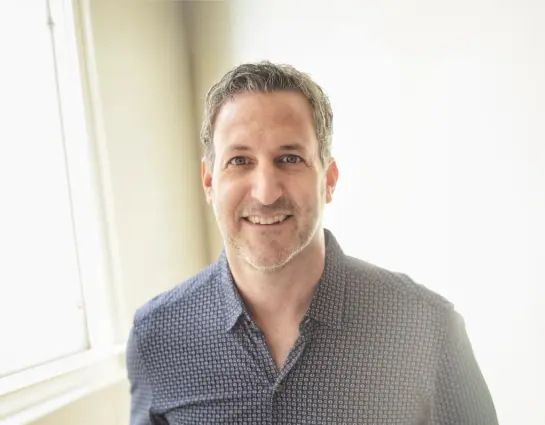
Eric Levitan
Owner
Why tendercare trusts them
Vetted April 2026 · Verified Member5.0

About Vivo
Beyond the resume
Outside of Vivo, Eric is a sought-after voice on the intersection of aging, fitness, and innovation. He has been featured in the New York Times and Chicago Sun-Times, and has appeared on numerous podcasts focused on aging well and caregiver support. Vivo has been recognized by the NIH's National Institute on Aging with a $2.3 million research grant to study the program's clinical impact on older adults with prediabetes - conducted in partnership with Duke University School of Medicine. Vivo is a graduate of the Techstars Future of Longevity Accelerator, a member of the AARP Innovation Labs and AgeTech Collaborative, and has active partnerships with Intermountain Health, the New York State Office on Aging and the Atlanta Regional Commission. When he's not building Vivo, Eric is most likely playing music, catching up with his mom or dad on Zoom, or convincing someone who thinks they're too old to exercise that they're exactly who he built this for.
Get started with Vivo
What does a Vivo class look like?
In their own words
Vivo offers live, interactive small-group virtual fitness classes for adults 55 and older, delivered over Zoom by certified trainers. Classes run six days a week and focus on strength training, balance, flexibility, and cognitive exercises - including dual-task movements designed to support brain health and social connection at the same time. Every class level has four exercise variations, so participants at different fitness levels can join together without anyone feeling out of place.
Membership starts with a free introductory session and a one-on-one intake conversation. Every eight to twelve weeks, each member meets individually with a Vivo coach to review progress in strength, balance, agility, and endurance, as well as to reset goals. Pricing is subscription-based with flexible weekly class frequency options, and Vivo offers a satisfaction guarantee with a full refund for members who decide it isn't right for them.
Vivo works particularly well for families navigating care from a distance. Adult children, siblings, and caregivers are encouraged to join classes alongside their older loved ones, not as a workaround, but as the point. It's how the program was designed.
Eric Levitan came to senior fitness through a moment that changed how he understood aging. He had become a long-distance caregiver for both of his parents, watching them experience more falls, more chronic conditions, and a creeping loss of independence. When a physician's recommendation for his mother was to walk more, something clicked. She didn't need a nudge toward the door - she needed to build strength. That realization sent him down a path he hadn't expected: leaving 25 years in corporate technology behind to build something that didn't yet exist.
What he built was Vivo: a live, small-group virtual fitness program designed specifically for older adults to build strength. Not a streaming class or a video library, but a real trainer who knows your name, watches your form, and adjusts the exercise when your knee is bothering you that day. Classes cap at eight to twelve participants, intentionally, because Eric learned early on that the size of the group isn't just a logistics decision. It's what makes people actually show up again next week.
The insight that shaped the program most came from his own father. When Eric invited him to try Vivo, his dad resisted; the fear and shame around exercise and aging ran deep. But when Eric said I'll do it with you, he said yes immediately. The desire to spend time with his son outweighed everything else. That moment - a caregiver doing it alongside, not just pointing the way - became the core activation strategy Vivo is built around. Families and caregivers are encouraged to join. The person being cared for can participate entirely seated, in a space designed to feel nothing like a gym.
Licenses & Accreditation:
tendercare Trusted Network member
Specialties
Live, interactive small-group virtual fitness classes
Traditional livestream fitness classes
1-on-1 assessments measuring improvements in balance, strength, endurance, and agility
Service Area
5.0
I took my first two classes this week and am now signed up for twice weekly classes! Wow! I wasn't expecting to love working out online but I love the convenience and I love the accountability. Both instructors were encouraging and accommodating to various levels within the group. I highly recommend Vivo to busy people that struggle to fit workouts into their day.
Cara Mills
April 2026FAQs
Classes are live, interactive, small-group virtual fitness sessions delivered over Zoom by certified trainers, six days a week, focusing on strength training, balance, flexibility, and cognitive exercises. Vivo is a vetted member of the tendercare Trusted Network. A new inquiry to Vivo usually gets a reply within 24 hours.
Every class level has four exercise variations, so participants at different fitness levels can join together without anyone feeling out of place. A new inquiry to Vivo usually gets a reply within 24 hours. Vivo has passed background check verification through tendercare vetting.
Yes, adult children, siblings, and caregivers are encouraged to join classes alongside their older loved ones — it's how the program was designed, not a workaround. Vivo has passed background check verification through tendercare vetting. For families weighing senior fitness programming nationwide, this is where Vivo starts.
Vivo works with families nationwide, so location is not a barrier to getting started. Senior fitness programming is delivered remotely rather than tied to a single territory.
The practice has 6+ years in the field. Vivo has completed background check verification through the tendercare Trusted Network vetting process. Stated areas of focus include Traditional livestream fitness classes.
A family can call Vivo directly or send a message through tendercare, with a reply usually within 24 hours. Expect a first conversation about what is happening now, what senior fitness programming would fit, and the timeline involved.